Welcome to the Orange County Real Estate Blog – your trusted source for news, insights, and strategies in the dynamic world of Orange County real estate.

Whether you're buying, selling, or investing in Orange County, our blog is designed to help you make informed decisions. Explore market trends, expert advice, and opportunities tailored for your real estate journey.

Latest and Most Popular Insights

Stay up to date with the latest market trends in our recent blog post, where we explain why housing reports matter and what we’ve learned from the data.

For insights on local developments, see our popular post about Oak Creek Golf Course potentially being replaced by 3,100 new homes in Irvine.

Check out our weekly Orange County Housing Report for ongoing market analysis and expert insights.

Buying a Home in Orange County

If you're considering purchasing a home, our guide on buying a house in Orange County covers everything from understanding neighborhoods to negotiating the best deal. We provide tips for first-time buyers, investors, and anyone looking to make a smart purchase.

Selling Your Home in Orange County

Thinking about selling your home? Our guide on selling your home in Orange County walks you through pricing strategies, staging tips, and how to maximize your sale in today’s market.

Explore Our Blog

Browse through our most recent posts to stay updated on Orange County real estate news and strategies. From market reports to expert tips, there’s something here for everyone.

Jan. 23, 2026

Orange County Real Estate in 2025: Market Review and the 2026 Outlook

Updated 07/20/2026 | By Eric Engelbert
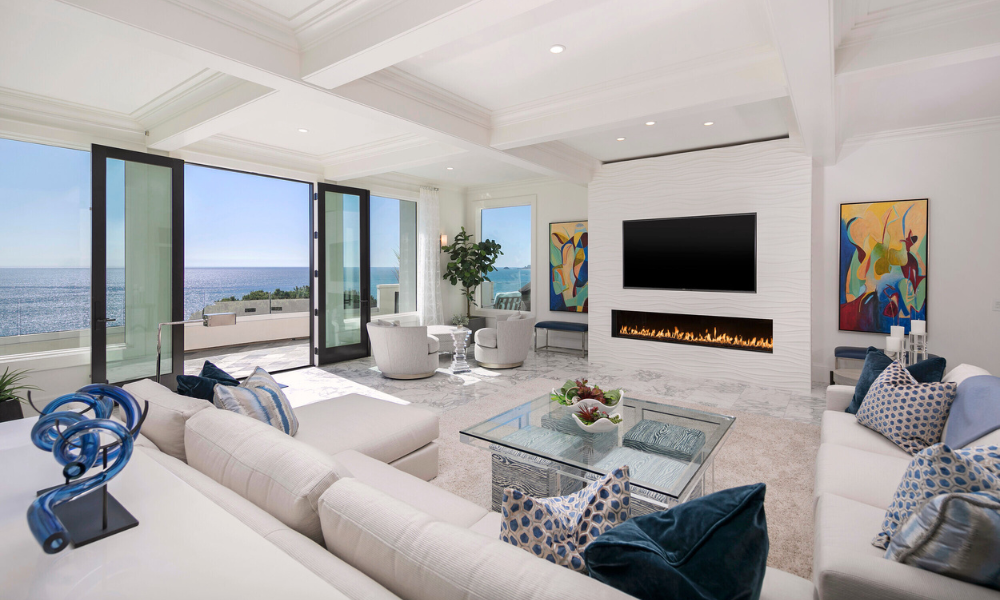
2025 Orange County Real Estate Market Review

Orange County Real Estate in 2025: What Happened and What Comes Next

The Orange County real estate market went through a major transition in 2025. After years of rapid appreciation and intense competition, the market began shifting toward balance, transparency, and long-term value.

As we move into 2026, buyers and sellers alike are asking important questions. Should you buy in Orange County? Is now the right time to sell? And how is the luxury market performing?

This year-in-review looks at what happened in 2025 and what it means for Orange County real estate in 2026, including how a new geopolitical situation is shaping the outlook.

Orange County Real Estate Market Overview 2025

In 2025, Orange County recorded 20,733 residential home sales, according to MLS data. While this represented a slowdown from pandemic-era highs, it reflected a healthier and more sustainable housing market. Key themes included longer days on market, fewer bidding wars, more price adjustments, increased buyer negotiation power, and greater importance of proper pricing.

During the pandemic years, Orange County experienced one of the most aggressive real estate markets in its history. With historically low interest rates, buyers were able to afford significantly more home for the same monthly payment. This fueled intense competition, rapid price appreciation, and widespread bidding wars. Homes in nearly every condition and location attracted multiple offers, and many sellers were able to price aggressively, often well above recent comparable sales.

As interest rates rose and affordability tightened in 2023 to 2025, this dynamic began to shift. Buyers became more selective, financing costs increased, and emotional decision-making gave way to careful analysis. The market no longer rewarded overpricing.

By 2025, well-positioned homes in strong neighborhoods, those that were properly priced, well-presented, and well-located, continued to sell. In contrast, overpriced listings, homes with functional issues, or properties in less desirable locations often sat on the market and required multiple price reductions. This period marked a clear return to fundamentals in Orange County real estate. Value, location, condition, and pricing accuracy once again became the primary drivers of demand.

Luxury Homes for Sale in Orange County: 2025 Highlights

The luxury housing market remained resilient throughout 2025. The highest sale of the year was 1 Pelican Crest Drive, Newport Coast at $42,000,000, reinforcing Orange County's position as one of Southern California's premier luxury real estate markets. See Newport Coast homes for sale, including properties priced over $42,000,000.

Demand remained strong for ocean-view properties, gated communities, turnkey estates, homes with privacy and security, and newer custom construction. Despite higher interest rates, high-net-worth buyers continued to pursue luxury homes in Orange County, with cash purchases insulating that segment from rate sensitivity.

Costa Mesa Real Estate Snapshot 2025

Costa Mesa Homes For SaleCosta Mesa remained one of the county's most active housing markets in 2025, with 595 total sales. The highest sale was 361 22nd Street at $6,470,000.

In the Mesa Verde neighborhood, there were 122 sales, with the highest at 3036 Java Road at $4,350,000. Strong demand in Eastside Costa Mesa and Mesa Verde reflected buyers' continued preference for central locations, strong schools, and long-term resale value.

Should You Buy in Orange County in 2026?

Based on 2025 trends, buyers are entering a more favorable environment heading into 2026. More inventory, less competition, greater negotiation leverage, more realistic pricing, and fewer emotional bidding wars are all features of the current market. Red fin reported that nationally, median days on market increased from 47 to 54 days in 2025, signaling a meaningful shift toward buyers. In Orange County, this translated into more thoughtful and strategic purchasing decisions.

For buyers focused on long-term ownership, lifestyle, and equity growth, 2026 presents promising conditions. The window of buyer-friendly inventory and reduced competition may not remain open indefinitely, particularly if rate relief materializes or sentiment shifts.

Affordability and Interest Rates in Orange County

Affordability became a national issue in 2025, and Orange County was no exception. Higher mortgage rates and elevated home prices led many buyers to delay purchases, downsize expectations, explore alternative neighborhoods, or focus on condos and townhomes. The Federal Reserve's decision to keep rates above 6% limited speculative activity and encouraged long-term ownership thinking over short-term flipping.

While affordability remains a challenge in Orange County, it also created opportunities for well-prepared buyers who could move decisively on correctly priced properties with less competition than in prior years.

Federal Action on Corporate Homebuying

In early 2026, the U.S. government took notable steps aimed at limiting large corporate and institutional investors from competing with individual homebuyers for single-family homes. Under a new executive order titled "Stopping Wall Street from Competing with Main Street Homebuyers," federal agencies have been directed to develop policies that discourage or restrict the purchase of single-family homes by large institutional investors when those homes could otherwise be purchased by families or individual buyers. The order also prioritizes first-look opportunities and disclosures that favor owner-occupants.

This policy does not immediately ban all corporate purchases, and experts note that institutional investors currently own a relatively small share of single-family homes nationwide, but it signals a broader shift in federal housing strategy. For Orange County buyers who have watched affordability tighten over the past decade, this development may eventually help ease competition for entry-level and move-up homes.

For individual investors interested in multifamily properties as an alternative strategy, Orange County offers compelling opportunities. According to MLS data, there were 5,459 multifamily property sales in Orange County in 2025, highlighting continued investor interest in income-producing real estate. See listings for multifamily properties for sale in Orange County.

Technology, AI, and the Changing Real Estate Industry

2025 marked the rise of artificial intelligence in real estate. Buyers and agents increasingly relied on AI-powered tools for market analysis, pricing strategy, follow-up systems, and neighborhood recommendations. At the same time, industry consolidation favored firms and professionals who embraced data, transparency, and service.

For clients, this meant better information and more personalized guidance. At Orange County Real Estate Inc., we are fully equipped with the technology, market expertise, and strategic tools needed to serve buyers and sellers in 2026 and beyond. If you are considering a move, investment, or sale, reach out today to schedule a quick call and discuss your goals.

Housing Supply and Long-Term Value

Despite growing political support for housing development, Orange County remains supply-constrained due to geography and zoning. Limited inventory continues to support long-term property values, particularly in coastal communities, master-planned neighborhoods, gated luxury developments, and central employment corridors. This structural shortage remains a key driver of Orange County real estate stability.

Geopolitical Uncertainty and the 2026 Orange County Market

Any honest 2026 outlook has to address what is happening beyond the county line. Approximately 60 days ago, military conflict involving Iran began, and the situation continues to develop. The direct effects on Orange County real estate statistics have not materialized yet. Median prices, days on market, and sales volume are tracking within normal ranges for this time of year. But statistics are a lagging indicator. Sentiment is not.

Both buyers and sellers have become noticeably more cautious over the past several weeks. That is not unusual when a major geopolitical event introduces genuine economic uncertainty, and this one carries specific risks worth understanding. Iran sits at the edge of the Strait of Hormuz, the narrow waterway through which roughly 20 percent of the world's oil supply passes. Any sustained disruption to that corridor would put upward pressure on energy prices globally. Higher energy costs feed into inflation across virtually every sector. If inflation re-accelerates because of an energy shock, the Federal Reserve faces a difficult choice between holding rates higher longer or tolerating elevated inflation. Either outcome creates headwinds for mortgage rate relief.

That is the risk scenario. Markets have absorbed Middle East tensions many times before without triggering the worst-case outcomes. But the scale of this conflict and its proximity to critical energy infrastructure makes it worth tracking carefully.

For Buyers

The caution is understandable, but waiting for geopolitical certainty before purchasing a home has historically not served buyers well. Conflicts resolve, energy markets stabilize, and well-located coastal California real estate has recovered from every major disruption in the past. The structural case for Orange County property, constrained supply, desirable location, strong employment base, remains intact. If your finances, timeline, and goals support a purchase, the current market still offers more leverage and less competition than the peak years. That window may not stay open indefinitely.

For Sellers

Cautious buyers mean that presentation and pricing precision matter more than they did six months ago. A home that is priced accurately and shows well will still attract serious buyers. A home that is overpriced or poorly presented will sit, and buyers today have both the patience and the negotiating confidence to wait. The sellers who will do well in this environment are the ones who take the current sentiment seriously rather than pricing as if we are still in 2022.

I will continue to track the economic fallout from this conflict closely and update my weekly Orange County Housing Report as conditions develop. If you want to talk through how this affects your specific situation, call or text me directly: 949-430-7500.

Orange County Real Estate 2026 Outlook

Newport Beach Properties For SaleLooking ahead, the 2026 outlook suggests a more balanced and strategic market, with an added layer of uncertainty that did not exist at the start of the year. Expect continued price stabilization, moderate appreciation in well-located submarkets, strong luxury demand particularly from cash buyers less affected by rate sensitivity, selective and deliberate buyer activity, and increased importance of professional representation. Geopolitical and energy market developments remain a potential wildcard for mortgage rates and buyer confidence.

Rather than extreme highs or lows, Orange County real estate is likely to move in a steady, sustainable direction. The geopolitical situation adds uncertainty but does not change the long-term fundamentals that have made this one of the most resilient housing markets in the country.

Read our thoughts on the 2026 Orange County Real Estate Market Forecast.

With 20,733 sales in 2025, a $42 million luxury transaction in Newport Coast, and steady activity across key cities, Orange County remains one of the most desirable housing markets in the country. Whether you are exploring luxury homes for sale, evaluating investment opportunities, or deciding if you should buy in Orange County, understanding recent trends is essential. For weekly updates, market reports, and neighborhood insights, visit the Orange County Housing Report.

Ready to Buy or Sell in Orange County?

Whether you are a buyer looking for your next home or a seller trying to read this market accurately, local expertise makes a real difference. Our team covers all of Orange County and is ready to help you make the right move.
Call or text Eric at 949-430-7500  |  Schedule: cal.com/eric-engelbert
Posted in Real Estate News
Dec. 8, 2025

2026 Orange County Real Estate Forecast | Buyers, Sellers & Migration Trends

By Eric Engelbert

Q1 2026 Update, April 2026

When I published this forecast at the start of the year, I wasn't thinking about a war in Iran. Forty days into the conflict, the economic ripple effects are real. Mortgage rates have ticked up, and the daily cost of living for American households has increased alongside broader inflationary pressure. These are meaningful headwinds, and they deserve an honest reassessment.

But here is what the Orange County market is telling us right now: not much has changed on the ground.

The Market Has Held Steady

Despite the uncertainty, Orange County buyers and sellers are moving at a completely normal spring pace. Sellers are listing. Buyers are buying. There is no sign of the kind of hesitation or pullback you might expect given the geopolitical backdrop. The fundamental truth of real estate is that people need shelter, and that truth continues to drive activity regardless of what is happening overseas or at the gas pump.

This raises the questions we are hearing most from clients right now: Will people stay put to avoid the uncertainty? Will they downsize to offset higher costs? Or will rising expenses push some buyers toward more affordable inland or out-of-state markets? The honest answer is that all three are happening, but none at a scale that is disrupting Orange County right now.

What the Numbers Are Showing

The clearest signal in the current data is in the $1,000,000 to $2,000,000 price range, which remains the strongest segment of the market. Last week, homes in this range sold for an average of approximately $2,000 over list price, a figure that doesn't sound dramatic but effectively confirms that well-priced properties in this segment are selling right at list. Days on market for these homes are low and demand remains high. If you are a seller with a property in this range and it is priced correctly, this market is working in your favor.

The luxury segment, properties priced above $2,500,000, continues to see activity but is trading at an average discount of 3 to 4 percent off list price. That is not a sign of distress; it reflects the natural dynamic of a high-end market where buyers have more leverage and transactions are more negotiation-driven. Luxury in Orange County remains resilient, just not immune to broader financial caution.

What to Watch

The Iran conflict is 40 days old. Markets can absorb short-term shocks. What matters for housing is the duration of elevated rates and cost pressure, not the event itself. If rates continue rising or costs persist, we may eventually see more buyers choosing to stay put or look toward more affordable alternatives. For now, Orange County is not showing those cracks. The spring market is functioning. Homes priced well are moving. Buyers are still showing up.

The full forecast below remains our baseline for 2026. We will continue to update it as the year unfolds.

December 12, 2025

Orange County continues to be one of the most dynamic housing markets in California. As we look toward 2026, buyers and sellers alike are asking: what can we expect? While national trends point to modest growth, Orange County’s market remains unique balancing strong demand, limited supply, and opportunities for those who know how to navigate it.

Orange County Real Estate, Inc. stands ready to help clients source properties and negotiate the purchase or sale of all types of real estate, ensuring the best possible outcomes in any market.

Current Market Overview

By the end of 2025, Orange County has demonstrated remarkable resilience. Total home sales are projected to reach just under 18,000, maintaining steady growth over the past four years. While inventory is rising slowly, serious buyers remain active, keeping the market competitive.

Mortgage rates have remained below 6.64% for many weeks, giving buyers more room to act. Looking ahead to 2026, rates are projected to average around 6%, which could improve affordability and stimulate activity among buyers who have been waiting for the right time to enter the market.

The Impact of Canadian Buyers

One factor affecting U.S. real estate markets in 2025 has been the decline in Canadian buyers. Canadian searches for U.S. homes dropped roughly 26% year-over-year, with the biggest decreases in popular vacation-home and coastal markets such as Florida, Arizona, and California. Historically, Canadians accounted for about 13–14% of foreign buyers in the U.S., purchasing billions in second homes and vacation properties.

The decline in Canadian demand affects markets that relied on second-home buyers or seasonal buyers. While Orange County still sees strong domestic demand, the pullback of Canadian buyers could slightly reduce competition for coastal and luxury properties.

That said it’s important to note that international interest hasn’t vanished altogether. For 2024–2025, foreign buyers invested roughly $56 billion in U.S. residential real estate. 

In the state of California which remains a top destination about 57% of international buyers came from Asia during that period. 

Buyers from China lead that group, many make all‑cash purchases, often in higher‑end or investment properties. 

So while Canadian and seasonal “snowbird” demand may be weaker, Asian and other foreign investors continue to exert influence especially in coastal and coastal‑adjacent markets like Orange County.

U.S. Snowbird and Migration Trends

In addition to Canadian buyers, domestic “snowbirds” and northern-state movers have also pulled back in recent years. Historically, retirees and seasonal buyers from the Northeast and Midwest moved to Sunbelt states Florida, Arizona, and southern California to escape cold winters. Over the past two years, this migration has slowed significantly:

  • Many U.S. residents from northern states stayed put rather than move south, contributing to relatively tight inventory in their home markets.
  • Migration data shows only about 11% of Americans changed residences in 2024, the lowest rate since mid-20th century records began.
  • Sunbelt markets that typically attracted seasonal or retirement buyers have seen a slower influx, resulting in longer listing times, increased price adjustments, and modest cooling in some vacation-home segments.
  • Northern and interior markets have experienced less turnover, as fewer people left for warmer climates, which in turn has helped maintain inventory stability in those regions.

The slowdown in both international snowbirds (Canadian buyers) and domestic seasonal migration affects market dynamics nationally. For Orange County, it means the market will be more dependent on local and domestic buyers rather than seasonal or foreign buyers, creating a more stable and predictable environment for 2026.

Is It a Buyer’s Market in 2026?

A true buyer’s market occurs when there are more homes for sale than buyers, giving buyers leverage in negotiations. In Orange County, inventory is expected to rise modestly in 2026, but demand remains strong.

Key points for buyers in 2026:

  • Homes are likely to stay on the market slightly longer than in 2025, but not enough to create a classic buyer’s market.
  • Properties listed for longer periods, especially those over 90 days, may offer negotiation opportunities.
  • Coastal and luxury markets will remain competitive due to limited supply.

In comparison to other parts of the country particularly the Sun Belt, where inventory surges have created strong buyer’s markets Orange County remains balanced, with opportunities for both buyers and sellers.

Is It a Good Time to Sell?

Spring and early summer 2026 will continue to be prime selling months, as buyers actively search for homes before the next seasonal slowdown.

Tips for sellers:

  • Smart Pricing: Avoid overpricing. Homes priced correctly based on comparable sales are more likely to sell quickly.
  • Maximum Exposure: Utilize professional photos, detailed listings, social media campaigns, and major portals. Our website has over 1,000,000 monthly impressions for Orange County alone, which improves visibility and distribution for your property.
  • Marketing Strategy: Geo-targeted online ads, neighborhood group shares, and community exposure can help your listing stand out.

Even with slightly longer days on market projected, sellers who follow these strategies can still achieve strong results.

Pricing Strategies for 2026

  • Pricing at Market Value: Aligns with buyer expectations and recent sales; likely the safest approach.
  • Below Market Value: Can drive multiple offers, but only if buyer demand remains strong.
  • Above Market Value: Risky in a market with modest growth; may lead to longer listing times and eventual price reductions.

Orange County Real Estate, Inc. can guide sellers in choosing the right pricing strategy based on local data, current buyer behavior and your personal goals.

Opportunities for Buyers

  • More Choice: Rising inventory in 2026 provides more options, particularly for buyers seeking move-in-ready homes.
  • Mortgage Options: Buyers may benefit from rate buydowns or long-term fixed rates if planning to stay in their home for many years.
  • Negotiation: Homes that have been on the market for longer periods may allow room for offers below list price.

Orange County Market Trends

Total Sales: After 17,675 sales in 2024 and nearly 17,600 sales by October 2025, 2026 is expected to see continued steady activity.

  • Inventory: Still tight but slowly increasing, especially in non-luxury and suburban markets.
  • Mortgage Rates: Projected around 6%, helping buyers act without overextending financially.
  • Price Growth: Modest, likely 1–2.5% in Orange County slower than past years but steady.

Orange County remains a market where informed buyers and sellers can succeed. 2026 is likely to offer:

  • Moderate price growth
  • Slightly longer days on market for some listings
  • Opportunities for negotiation, especially on older or longer-listed properties
  • Competitive activity in coastal and luxury segments

The decline in Canadian buyers, combined with slower U.S. snowbird migration, is shaping the market, but strong domestic demand and strategic guidance can help buyers and sellers navigate the landscape successfully.

Partnering with Orange County Real Estate, Inc. ensures access to local insights, expert negotiation, and a smooth transaction whether buying or selling.

For 2026, preparation and strategy are key. Staying informed about trends, pricing wisely, and leveraging expert guidance will help you make the most of this balanced market.

Posted in Real Estate News
Nov. 21, 2025

Buying or Selling a Home During the Holidays? Why It Might Be the Best Time of the Year


Buying or Selling a Home During the Holidays? Why It Might Be the Best Time of the Year

By Eric Engelbert

The holidays in Orange County bring out the best of everything, cooler days, festive lights, family gatherings, and yes… surprisingly good real estate opportunities. Despite our recent rainstorms, Orange County weather is always perfect for buying or selling a home. Unlike other parts of the country, where the cold can be bone-chilling and snow and ice make it dangerous just to walk across the street, let alone drive to a vacant house for sale, here you can tour homes comfortably year-round.

While many people assume the market slows down between Thanksgiving and New Year’s, motivated buyers and sellers often find this season to be one of the most rewarding times to make a move. If you’ve ever wondered whether the holidays are “too slow” for real estate, here are a few reasons why the opposite can be true.

1. Holiday Buyers Are Serious Buyers

You don’t casually tour homes in between holiday parties and year-end travel. Most buyers who stay active in November and December are highly motivated, job relocations, lease deadlines, or simply wanting a fresh start for the new year.

  • More focused showings
  • Fewer looky-loos
  • Higher odds of receiving strong offers
  • Less competition
  • Less pressure
  • More time to make smart decisions

2. Inventory Is Lower Which Helps Sellers Stand Out

Many homeowners wait until January or spring to list. That means a well-prepared home marketed during the holidays often gets more visibility and less competition than other times of the year.

If your property photographs well (think cozy lighting, sparkling clean windows, and tasteful holiday décor), this can be one of the best times to shine.

3. Rates and Economic News Can Shift Quickly

Interest rates, mortgage programs, and economic outlooks can all change during the final weeks of the year. Savvy buyers know that locking in a rate before January can sometimes offer real advantages, especially if economists are predicting more activity next year.

  • Lower monthly payments
  • Higher purchasing power
  • A smoother close heading into the new year

4. Homes Show Better During the Holidays

A warm entryway. Soft lights. A seasonal scent. Even the simplest home feels more inviting this time of year.

Another often-overlooked benefit: homes and neighborhoods tend to be quieter during the holidays (aside from the occasional holiday party). With fewer people out and about, buyers can experience a calmer, more relaxed version of the community. This makes showings feel more peaceful and allows buyers to get a true sense of what day-to-day life is like.

Buyers often connect emotionally with homes during the holidays, which can lead to stronger engagement and faster decisions. Presentation matters, and the season does a lot of the work for you.

5. Year-End Timing Can Motivate Sellers Too

Some homeowners want to close before year-end for tax planning. Others want to avoid carrying a property into the new year.

For buyers, this can create unique opportunities. A seller who needs to close quickly for tax purposes may be more flexible on price or terms, sometimes even willing to sell slightly under market value to ensure the transaction is completed before December 31st.

It’s a moment when motivated sellers and ready buyers can both benefit from a smooth, timely closing.

6. A Fresh Start for 2026

Buying or selling in December sets you up for:

  • A new home in the new year
  • A January move when moving companies are less busy
  • A head start on spring’s competitive season

The holidays are often about new beginnings, and real estate is no exception.

If you’ve been thinking about buying or selling, don’t write off the holidays. Smart, motivated clients often find some of their best opportunities in late November and December.

Every year, I see successful closings this time of year, often with less stress and more upside.

If you’d like help navigating the holiday market or want a personalized strategy, feel free to reach out. The lights are up, the weather is cool, and real estate season isn’t on pause, it’s just a little quieter… and sometimes that’s exactly what you need.

Posted in Real Estate News
Nov. 5, 2025

From Cubicles to Condos: How Office Buildings Are Becoming Homes Across Orange County and Beyond

By Eric Engelbert

From Cubicles to Condos: How Empty Office Space Is Becoming Housing

Across the country, a quiet transformation is taking place as vacant office towers are being reimagined as residential spaces. What is driving this shift? In the wake of the pandemic, millions of employees transitioned to remote or hybrid work, leaving behind vast amounts of underused office space. Many companies have downsized their physical footprints, and older office buildings, often outdated and costly to modernize, have struggled to attract new tenants.

As a result, developers and city planners are finding creative new uses for these vacant properties. Instead of letting them sit idle, they are transforming them into much-needed housing, turning cubicles into condos and boardrooms into bedrooms. What started as an urban experiment in cities like New York and Washington, D.C. is now becoming a smart, sustainable housing solution here in Southern California, including right here in Orange County.

National Success Stories

In New York City, the historic One Wall Street building is one of the most successful examples of an office-to-residential conversion. The 50-story Art Deco landmark was gutted and rebuilt from the inside out, creating over 500 luxury condominiums while preserving the original limestone façade.

In Washington, D.C., the long-vacant Cotton Annex building underwent a similar transformation, turning an outdated federal office into high-end rental apartments. These projects demonstrate that adaptive reuse, keeping the exterior structure intact while rebuilding the interior, can be both profitable and sustainable.

Southern California Joins the Movement

Here in Southern California, adaptive reuse is accelerating.

Developers like Jamison Services in Los Angeles have led the charge, converting several Wilshire Boulevard office buildings into hundreds of apartments. Projects such as 3325 Wilshire and 3550 Wilshire kept their existing towers standing, focusing on complete interior reconfiguration and modern residential amenities. These transformations are reshaping Los Angeles neighborhoods that were once dominated by mid-century commercial buildings.

Cities are now encouraging this type of redevelopment. Los Angeles, Long Beach, and Santa Ana have all adopted policies to make conversions easier, including faster permitting and zoning flexibility, as a way to address housing shortages while revitalizing aging office corridors.

Orange County’s First Success: 888 on Main in Santa Ana

Orange County has its own standout example: 888 on Main in downtown Santa Ana.

Originally built in the 1960s as an office tower, the nine-story building sat largely vacant for years. Instead of tearing it down, developers preserved the exterior shell and completely rebuilt the interior into 148 modern workforce apartments, complete with a rooftop deck, fitness center, and ground-floor live/work spaces.

The result is a sleek urban residence that honors Santa Ana’s architectural history while adding much-needed housing in the heart of the city. The project has become a model for future conversions across Orange County, showing that office buildings can have a second life without starting from scratch.

A Major Upcoming Example: MacArthur Court in Newport Beach

Looking ahead, one of the largest potential conversion projects in Orange County is planned for MacArthur Court in Newport Beach.

The Irvine Company, which owns much of the surrounding office and retail space, has proposed adding approximately 700 apartments to the site. The plan keeps the two existing 15-story office towers in place while converting or redeveloping nearby low-rise structures into residential units and community amenities.

If approved and completed, MacArthur Court could become one of the most significant adaptive reuse projects in the county, a blueprint for how commercial campuses can evolve to meet modern housing demand.

What About the Westminster Mall?

While not an office conversion, the Westminster Mall redevelopment is another major local transformation. The plan calls for complete demolition of the existing mall structures, followed by new construction of housing, retail, and public spaces. It is a ground-up rebuild, different from the adaptive reuse approach seen at 888 on Main or MacArthur Court.

Why Adaptive Reuse Works

Reusing existing buildings is not just a creative architectural challenge, it is a smart real estate strategy.

By retaining structural shells, developers save on demolition costs and reduce environmental waste. Cities benefit from revitalized corridors and faster housing delivery, while residents gain unique homes with history and character.

In markets like Orange County, where developable land is scarce and office vacancy rates are climbing, adaptive reuse offers a practical path forward. Expect to see more of these projects appear in the next few years, especially in central business districts and along transit corridors.

Orange County has always been known for its master-planned communities and brand-new developments, but the next wave of housing might come from unexpected places: the empty office towers and commercial buildings that once defined its skyline. From 888 on Main in Santa Ana to the upcoming MacArthur Court redevelopment in Newport Beach, adaptive reuse is quietly reshaping the way Orange County grows. These conversions do not just create housing; they preserve local history, reduce waste, and breathe new life into underused spaces.

Thinking About Buying or Selling in Orange County?

As cities evolve and the line between commercial and residential real estate blurs, the market continues to shift in interesting ways. Whether you are looking to buy in a newer community or want to understand how development trends affect values in your neighborhood, our team tracks this market closely.

Call or text Eric at 949-430-7500  |  Schedule: cal.com/eric-engelbert
Posted in Real Estate News
Oct. 23, 2025

Orange County Housing Report: Why It Matters and What We Have Learned

By Eric Engelbert

Updated 6/29/2026

The Orange County Housing Report is updated every week with current data on listings, sales, days on market, and inventory across every major city and neighborhood in the county. This post explains what the report covers, how buyers and sellers use it, and why following it week over week gives you a meaningful advantage in this market.

Why the Numbers Matter More Than People Think

Buying or selling a home is one of the most emotional decisions most people will ever make. There is a lot riding on it, not just financially but personally, and that emotion has a way of pushing the numbers into the background. Buyers fall in love with a house and stop comparing it to what else is on the market. Sellers get attached to a price that made sense a year ago and overlook what current data is actually saying about their neighborhood today. It is a completely human reaction, and I have seen it happen on both sides more times than I can count.

The good news is that consumers today have more information at their fingertips than at any point I have seen in this business. The challenge is not a lack of data, it is making sense of it and using it before emotion takes over. That is exactly what the housing report and the city by city market reports are built for. They give you a way to step back from the moment and look at what is actually happening, not what it feels like is happening.

At the end of the day, buyers and sellers have to protect themselves. Nobody else is going to do it for you, and a good agent should be helping you use these tools, not asking you to ignore them. Treat the housing report and your city's market report as exactly that, a tool, the same way you would check the numbers before any other major financial decision.

The Value of Knowing the Numbers

Every real estate market report tells a story about how homes are selling, how fast they are moving, and what is driving demand. The numbers are not abstract. They reflect real decisions made by real buyers and sellers in your neighborhood, and they change every week.

Take Irvine as an example. At any given time, there may be several hundred active listings, but the homes that are well-presented and priced correctly are moving at a pace that is nearly twice as fast as the ones that are sitting. That gap between active inventory and sold homes is one of the most important signals in the report. It shows not just what is available, but what the market is actually choosing.

You can explore the Irvine market report for detailed data on listings, sales, and trends. There is also a market report for every city in Orange County if you want to compare neighborhoods side by side.

Why Buyers Should Follow Market Reports

For buyers, the weekly housing report functions like a window into real-time opportunity. It shows which areas are seeing growing inventory, where days on market are starting to stretch, and where price reductions are becoming more common. Each of those signals matters.

A neighborhood with rising inventory and longer days on market is a neighborhood where buyers have more negotiating leverage. A neighborhood where homes are selling in days with multiple offers is a place where you need to move decisively. Knowing the difference before you start your search changes how you approach the process.

A clear pattern appears when you follow the data consistently: neighborhoods with strong schools, newer construction, and easy freeway access tend to hold activity even when other areas slow down. That kind of insight is only visible if you are reading the data week over week, not just glancing at it once when you decide to start looking.

Why Sellers Rely on Weekly Updates

Sellers use the housing report to make two critical decisions: when to list and how to price. Both depend on knowing what is happening in the market right now, not what happened three months ago when the last comparable sale closed.

The weekly report shows whether buyer demand is holding steady or beginning to soften, and whether competing inventory is growing or shrinking. A seller who lists at the right moment into a low-inventory market with high buyer activity is in a fundamentally different position than one who lists six weeks later when conditions have shifted.

If you are preparing to sell, the Orange County home selling guide walks through how to use market data to time your listing and set a price that attracts offers rather than chasing the market down.

What We Have Learned from Tracking the Market Every Week

After reviewing data across Orange County week after week, one truth stands out: every neighborhood acts like its own micro-market. Countywide averages are a starting point, but they can mask what is actually happening on your block.

Luxury communities like Newport Coast or Shady Canyon have fewer sales each month, so a single closing can move the averages significantly. Active markets like Huntington Beach, Irvine, or Anaheim generate enough transactions to show reliable trends in real time.

Small factors like school district boundaries, HOA rules, or proximity to a major road can shift demand even within the same ZIP code. A local report captures that nuance. A national market index does not.

The Difference Local Expertise Makes

I have been writing and analyzing these reports since before most real estate websites existed. What the data tells me each week informs every conversation I have with buyers and sellers. It is not a marketing tool. It is how I do my job.

Our site gets over one million impressions per month, and the Orange County Housing Report page ranks number one on Google for its category. That reach means the report is being read by real buyers and sellers actively in the market, which translates directly to exposure for the homes we list. We do not just follow the market. We understand what is shaping it, and we use that understanding to get better outcomes for our clients.

If you are ready to go beyond the countywide numbers and look at things on a granular level, I am glad to sit down and break down the stats for your specific neighborhood. Reading a report is one thing, knowing what it actually means for your home or your search is another, and that is where I can help.

Read the latest data on listings, sales, and days on market across every OC city. View the Orange County Housing Report.

Frequently Asked Questions

What is the Orange County Housing Report?
The Orange County Housing Report is a weekly real estate market analysis published by Orange County Real Estate, Inc. It covers active listings, sales volume, days on market, price trends, and inventory levels across cities and neighborhoods throughout Orange County. The report is updated every week and is free to view at ocrealestateinc.com/orange-county-housing-report/.

How do buyers use the Orange County Housing Report?
Buyers use the report to identify which neighborhoods have growing inventory, where days on market are increasing, and where price reductions are becoming more common. These signals often point to upcoming negotiation opportunities. Tracking the report week over week also helps buyers understand whether they are in a competitive market or have more time to make decisions.

How do sellers use the Orange County Housing Report?
Sellers use the report to time their listing, set a competitive price, and understand the competition they face from other listings in their neighborhood. When inventory is low and days on market are short, conditions favor sellers. When inventory is rising and homes are sitting longer, sellers who price and present correctly are more likely to stand out and sell quickly.

Why do buyers and sellers overlook market data?
Buying or selling a home is one of the most emotional financial decisions most people make, and that emotion often crowds out the numbers. The housing report and city by city market reports give buyers and sellers a way to step back from the emotion of the moment and look at what is actually happening in the market, so they can protect themselves with facts rather than guesswork.

Stay Ahead of the Orange County Market

The housing report is updated every week with new data on inventory, sales, and days on market across every OC city. Small shifts in the numbers can make a big difference when it is time to move, and I am always glad to break down what they mean for your neighborhood specifically.

Call or text Eric at 949-430-7500, view the Orange County Housing Report, or check market reports by city.

Posted in Real Estate News
Oct. 2, 2025

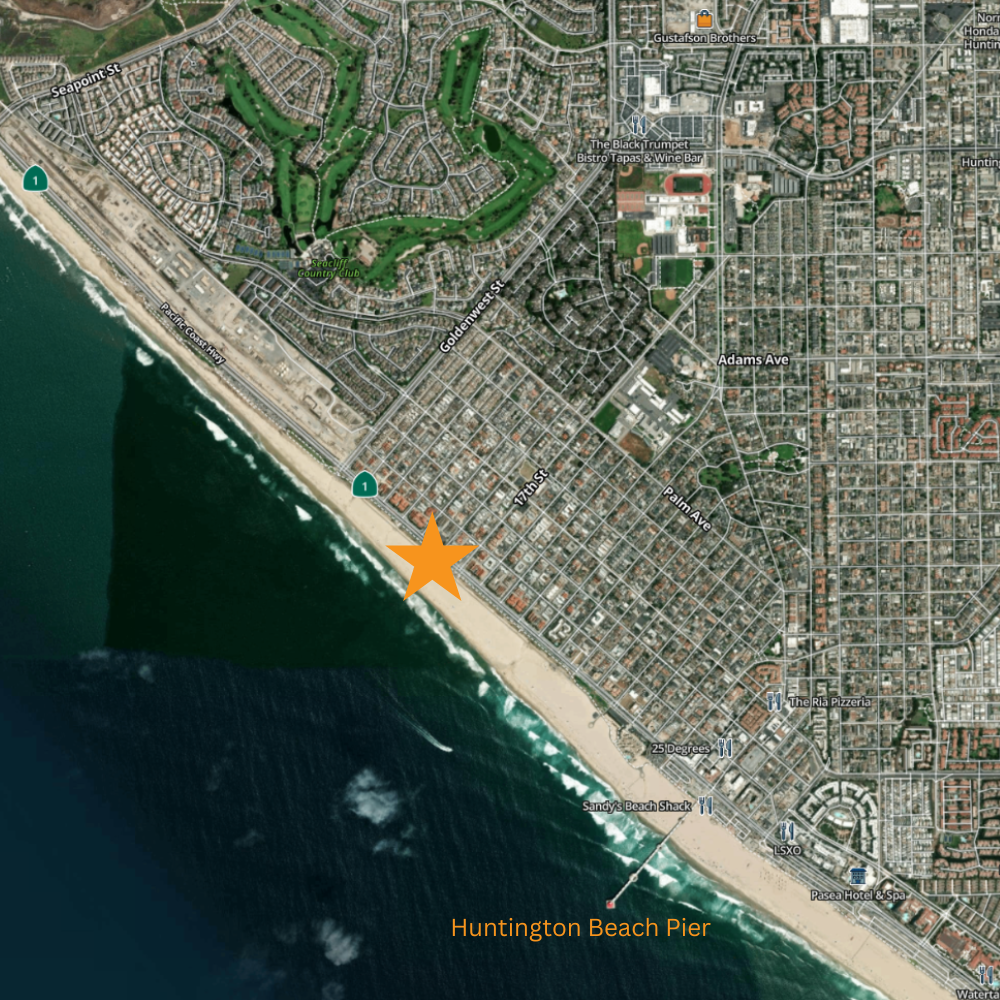
Huntington Beach Approved Residential Development Along PCH For 10 Luxury Homes With Ocean Views

By Eric Engelbert

A nearly one-acre stretch of Pacific Coast Highway in Huntington Beach that spent close to a century producing oil is being transformed into 10 detached luxury oceanfront residences priced from $7 to $8 million each. The project at 1810 PCH is one of the most significant new-construction coastal opportunities to reach the Orange County market in years. Construction is underway and homes are expected to become available in 2026.

New oceanfront homes being built at 1810 PCH in Huntington Beach

From Oil Field to Oceanfront Living

The strip of coastline between Goldenwest Street and Seapoint Street along PCH has been tied to oil and gas production for close to 100 years, part of the historic Huntington Beach Oil Field that once made this city one of the top oil-producing regions in California. WJK Development Co., an Irvine-based firm, purchased the nearly one-acre oceanfront parcel from California Resources Corp. of Long Beach for $10.3 million in 2024.

The acquisition required a complex due diligence process that included a nearby abandoned oil well production site. After clearing those environmental hurdles, WJK secured final approval from the California Coastal Commission, one of the most rigorous regulatory bodies in the state for any coastal development. That approval marked the turning point from a remediated industrial site to a shovel-ready residential project.

The Development: What Is Being Built

The project calls for 10 detached homes designed by Danielian Associates, each rising three levels to a maximum height of 35 feet. Individual homes range from approximately 3,800 to 4,100 square feet and will feature rooftop decks, pools, spas, and unobstructed views of Catalina Island and the open Pacific. Garages accommodate two to three cars and are accessed from a rear alley, keeping the entire PCH frontage open to preserve ocean views from street level.

Four of the ten homes will include ground-level accessory dwelling units (ADUs) ranging from 412 to 458 square feet, consistent with California's requirement to integrate ADU capacity into new residential projects. The total development value is approximately $70 million.

Each home is expected to be priced between $7 million and $8 million depending on size and specific features. The site sits just south of Goldenwest Street and roughly one mile north of the Huntington Beach Pier, placing it in one of the most desirable stretches of coastline in the county.

Timeline and Current Status

Grading on the site began in late 2025 following receipt of all final approvals. Completion is targeted for 2026. Given the pricing and the scarcity of true oceanfront new construction in Orange County, these homes could sell before the project reaches completion. Buyers who want a realistic chance at one of these properties should be positioning themselves now rather than waiting for a listing to hit the MLS.

WJK Development raised equity for the project quickly after purchasing the land, a sign of strong investor confidence in the demand for this type of coastal product.

Why Oceanfront New Construction Is So Rare in Orange County

True oceanfront land in Orange County is essentially gone. The coast is built out. What exists is protected by the California Coastal Commission, which oversees any development within the coastal zone with strict standards for height, setback, public access, and environmental impact. New oceanfront construction clears those standards rarely and at great cost in time and regulatory effort. The 1810 PCH project took years of approvals to reach groundbreaking.

For Huntington Beach real estate specifically, new oceanfront inventory at this scale has not come to market in years. When it does appear, it tends to move quickly and often off-market before public listings are ever published.

If you are exploring coastal options beyond this specific project, these searches may also be useful:

What This Means for the Huntington Beach Market

This project is one more signal that Huntington Beach is maturing as a luxury coastal market. The successful conversion of a former industrial site into a high-end residential community reflects both the city's changing identity and the depth of demand for oceanfront living in Orange County. When land that spent a century producing oil is now worth $10 million per acre as residential dirt, that tells you something about where the market has gone and where it is heading.

For buyers at the luxury level, understanding how to position for properties like this before they hit the open market is the difference between getting a call and missing the opportunity entirely. That is exactly the kind of strategic groundwork we do for clients at Orange County Real Estate, Inc.

What Smart Buyers Should Ask Before Writing a $7 Million Check

The ocean views at 1810 PCH will be spectacular. They will also be the first thing a buyer sees, and for some buyers, the last thing they critically examine. That is a mistake that can cost far more than the price of the home.

This site spent close to 100 years as an active oil production zone. Petroleum-contaminated soil and groundwater can contain benzene, toluene, ethylbenzene, and xylene (collectively known as BTEX) along with total petroleum hydrocarbons, methane, and polycyclic aromatic hydrocarbons (PAHs). Benzene in particular is a known human carcinogen. These compounds do not necessarily disappear when a site is remediated. They can migrate through soil vapor and enter a structure through the foundation, a process called vapor intrusion, without any visible sign that it is occurring.

Huntington Beach has a specific code, City Specification 429, that governs development within its methane district. It requires methane gas testing, documentation of all oil and gas wells within or near the property, and determines whether a Vapor Intrusion Mitigation System (VIMS) must be engineered into the structure. Any abandoned wells on or near the site must also be certified by CalGEM, the California Geologic Energy Management Division, to current re-abandonment standards, which are substantially more rigorous than what was required decades ago when many of these wells were originally capped.

WJK's CEO publicly acknowledged navigating "a complicated due diligence process" involving a nearby abandoned oil well production site. The California Coastal Commission approved the project following its own environmental review. What is not publicly available are the specific soil testing results, groundwater sampling data, or the conditions of approval that may govern ongoing monitoring at the site.

Before purchasing on any former oil field site, a buyer should independently request and review:

  • Phase I and Phase II Environmental Site Assessment reports
  • CalGEM well abandonment certifications for any wells on or near the parcel
  • Methane and soil vapor testing results required under HB City Specification 429
  • Documentation of any Vapor Intrusion Mitigation System designed into the structure
  • Any conditions of approval from the Coastal Commission or city related to ongoing environmental monitoring
  • The full Natural Hazard Disclosure report and Transfer Disclosure Statement, read carefully

California law requires sellers to disclose known environmental hazards. But disclosure only covers what is known and what is asked. A buyer who does not independently request these documents and have them reviewed by a qualified environmental consultant is relying on the seller's disclosures alone, which is not adequate due diligence for a purchase of this size on a site with this history.

None of this means these homes should not be purchased. It means they should be purchased with full information. The developer completed a regulated approval process, and Huntington Beach's building requirements are designed to address exactly these risks. But the question of whether those requirements were satisfied, and what was found in the process, is one every serious buyer should be able to answer before closing. We help our clients get those answers.

Frequently Asked Questions

Where are the new oceanfront homes being built in Huntington Beach?
The 10 luxury homes are being built at 1810 Pacific Coast Highway in Huntington Beach, just south of Goldenwest Street and approximately one mile north of the Huntington Beach Pier. The nearly one-acre oceanfront site was purchased by WJK Development from California Resources Corp. for $10.3 million in 2024.

How much do the new PCH oceanfront homes in Huntington Beach cost?
Each of the 10 homes is expected to be priced between $7 million and $8 million, making the total project value approximately $70 million. Prices will vary based on size and features. The homes range from 3,800 to 4,100 square feet across three levels with rooftop decks, pools, spas, and unobstructed Catalina Island views.

What was previously on the 1810 PCH site in Huntington Beach?
The stretch of Pacific Coast Highway between Goldenwest Street and Seapoint Street was dedicated to oil and gas production for close to 100 years, part of the historic Huntington Beach Oil Field. WJK Development navigated a complex due diligence process involving a nearby abandoned oil well production site before receiving final approval from the California Coastal Commission.

What environmental due diligence should buyers do before purchasing on a former oil field site?
Buyers should independently request and review Phase I and Phase II Environmental Site Assessment reports, CalGEM well abandonment certifications for any wells on or near the parcel, methane and soil vapor testing results required under Huntington Beach City Specification 429, and documentation of any Vapor Intrusion Mitigation System built into the structure. California law requires sellers to disclose known hazards, but disclosure only covers what is known and what is asked. Independent review by a qualified environmental consultant is recommended for any purchase on a site with a history of oil production.

Interested in One of These Oceanfront Homes?

Properties like these often sell before they reach the open market. If you are serious about oceanfront living in Huntington Beach, let's talk now and build a strategy before these homes are released.

Schedule a Strategy Call  |  Call or text Eric at 949-430-7500

Posted in Real Estate News
July 26, 2025

Playing the Long Game in Orange County Real Estate | OC Real Estate Inc.

Playing the Long Game in Orange County Real Estate

Why this market rewards patience, and what nearly 30 years of experience has taught me about it

By Eric Engelbert

I have been selling real estate in Orange County since 1998. I have watched clients buy at the peak of a cycle and eventually come out ahead. I have watched others sell during a correction and regret it for years. The single most consistent thing I have observed over nearly three decades is this: the people who treat Orange County real estate as a long-term hold almost always win. The people who treat it like a short-term trade often do not.

Why Orange County Is Structurally Different

Not every real estate market is created equal, and Orange County has structural advantages that most markets do not. The county is essentially built out. The Cleveland National Forest borders it to the east. The Pacific Ocean borders it to the west. Camp Pendleton to the south and Los Angeles to the north define its limits. What developable land existed has largely been developed. The Irvine Company has preserved hundreds of thousands of acres as open space. There is no frontier left.

That geographic reality has a direct effect on housing supply. You cannot solve a supply shortage in Orange County the way you can in Phoenix or Las Vegas by simply building outward. Demand keeps coming. Supply cannot meaningfully expand. That dynamic alone explains a significant portion of why values here hold and recover the way they do.

Layer on top of that a diversified economy anchored by healthcare, technology, defense, finance, and hospitality, and you have a market that does not rely on a single industry the way some boom-and-bust metros do. When one sector contracts, others tend to hold. That resilience matters when you are thinking about a ten or twenty year horizon.

The Five-Year Rule and Why It Matters Here

Buying and selling a home is expensive. By the time you account for agent commissions, title insurance, escrow fees, and transfer taxes, transaction costs on a typical Orange County sale run between 5 and 6 percent of the home's value. On a $900,000 home, that is $45,000 to $54,000 that you need to recover through appreciation before you break even.

That math is why I consistently recommend a minimum five-year horizon for buyers in this market. Five to seven years gives the market enough time to absorb short-term volatility and deliver the appreciation that covers those costs and then some. If you are not planning to stay that long, renting is almost always the smarter financial choice, not because buying is wrong, but because the numbers do not work on a short timeline.

One factor that reinforces this is Proposition 13. California caps property tax increases at 2 percent per year for existing owners. Over time, that cap creates a growing gap between what a long-term owner pays and what a new buyer would pay at current assessed value. Long-term OC homeowners often have property tax bills that are a fraction of what the same home would carry if purchased today. That benefit compounds the longer you stay, and it is one of the most underappreciated financial arguments for buying and holding.

The Price You Pay Still Matters

A strong market does not mean any price is a good price. Even in Orange County, buying significantly above market value means buying yourself extra time before you see real returns. I have seen buyers in hot markets dismiss valuation entirely because they were convinced prices would always go up. Some of them waited a decade to be right. Others sold at a loss because life changed before the market caught up.

This is where having a broker with genuine valuation experience changes the outcome. Reading the Orange County Housing Report every week gives me a real-time picture of what homes are actually selling for, how quickly, and why. I am not guessing at value. I am looking at current data for your specific neighborhood and giving you a number I can defend.

For buyers, that means understanding not just what you are paying but what comparable homes have sold for and how long they sat. For sellers, it means pricing to attract offers rather than chasing the market down with reductions. If you are preparing to sell, the Orange County home selling guide walks through how pricing and presentation work together to drive results.

Renting vs. Buying: An Honest Assessment

I get asked some version of this question regularly: is it better to rent or buy right now? The honest answer depends almost entirely on how long you plan to stay.

If your horizon is two years or less, rent. The transaction costs of buying and selling within that window will almost certainly exceed any appreciation you might capture. You will pay more to move than you made on the home. Renting during that period is not a failure. It is the financially correct decision.

If your horizon is five or more years, the calculus shifts decisively toward buying, particularly in a supply-constrained market like Orange County. Every year you own and do not sell, you are building equity, benefiting from Prop 13's tax cap, and letting time do its work. The buyers I have helped who are most financially satisfied are not the ones who timed the market perfectly. They are the ones who bought at a fair price, in a good location, and stayed.

For buyers who are earlier in the process and want to understand how to evaluate a real estate agent before committing, these questions are a good place to start. Experience, local knowledge, and a clear understanding of pricing are not interchangeable.

What the Long Game Actually Looks Like

The long game in real estate is not complicated. It is buying the right home at the right price, in a location with durable demand, and holding it long enough for the math to work in your favor. It is not timing the market. It is not waiting for the perfect moment that never quite arrives. It is making a well-informed decision and then letting time do what time does in a constrained, high-demand market.

I have watched people buy in years that looked wrong on paper and come out ahead. I have watched people wait for prices to drop and miss years of appreciation. Orange County has corrected, and it has recovered, consistently and faster than most markets. The people who benefited were the ones who were already in.

That is what nearly 30 years of watching this market has taught me. If you are thinking about buying or selling in Orange County, I am happy to talk through what the data says right now and what it means for your specific situation. You can also read about the largest and smallest cities in Orange County to understand more about where demand concentrates and why some neighborhoods hold their value better than others.

Frequently Asked Questions

How long should I plan to hold a home in Orange County before selling?

Most real estate professionals recommend a minimum of five years to offset the transaction costs of buying and selling, which typically run between 5 and 6 percent of a home's value when you account for commissions, title, and escrow. In Orange County specifically, five to seven years gives you enough time to absorb any short-term market fluctuations and benefit from the long-term appreciation the area has historically delivered.

Does Orange County real estate always go up in value?

No market goes up in a straight line, and Orange County is no exception. Values have corrected during major economic downturns. The difference is that OC recovers faster and holds value better than most comparable markets because of structural supply constraints, persistent demand, and a diversified local economy. Buyers who hold through downturns have historically been rewarded. Buyers who sell during them typically are not.

Is it better to rent or buy in Orange County right now?

The answer depends primarily on how long you plan to stay. If your horizon is two years or less, renting is almost always the smarter financial choice because transaction costs make short holds expensive. If you plan to stay five years or more, buying in Orange County has historically built more wealth than renting over the same period, provided you buy at a fair price in a well-located area. The price you pay matters as much as the decision to buy.

Ready to Think Long-Term About Your Move?

Whether you are buying your first home or deciding when to sell, the right data and the right broker make a real difference. Let's talk through your situation.

Posted in Real Estate News
July 20, 2025

Has The Orange County Real Estate Market Shifted to a Buyer's Market

By Eric Engelbert

Is Orange County Shifting to a Buyer’s Market?

For the past few years, the Orange County real estate market has been a seller’s market. If you wanted to buy a house, you had to move fast. Homes would get multiple offers. People paid over the list price. Many sellers accepted offers in just a few days. It was common for homes to sell in under 30 days.

But what about now? Has it turned into a buyer’s market?

What Makes a Buyer’s Market?

Most people think it is only about how long homes take to sell, Days on Market. But the real factor is supply and demand.

  • When there are more homes for sale than buyers, it becomes a buyer’s market.
  • When there are more buyers than homes for sale, it is a seller’s market.

What Do the Numbers Say?

As of the week of July 7, 2026, there are 5,163 properties for sale in Orange County. This is more than we have seen in the past few years. But it is still less than before the pandemic. Back then:

  • In early 2020, there were over 6,000 properties for sale.
  • In 2019, the average was 7,000 to 8,000 properties for sale.

See the graph below from the MLS:

Orange County homes for sale graph

So, while supply is rising, it is not at those old highs yet.

The number of buyers has stayed about the same each week. We still see 400 to 500 closings per week in Orange County. That means inventory is growing faster than buyer demand. But we still have strong buyer demand and if there is any dip in mortgage rates that demand will increase. You can see the weekly data on our Orange County market reports.

Here are some other key numbers as of the week of July 7, 2026:

  • Average days on market: 60 days
  • Median days on market: 40 days
  • Homes under $1 million median 39 days  |  1,801 active
  • Homes $1 to $2 million median 33 days  |  1,869 active
  • Homes over $2 million median 52 days  |  1,449 active

A true buyer’s market shows much higher days on market, often over 80 days.

Properties Listed Over 90 Days

Explore homes in Orange County listed for over 90 days here. These listings may offer more room for negotiation and opportunities for buyers looking for value.

What About Foreclosures?

Many buyers ask about foreclosures and auctions. In Orange County, there are very few properties selling at auction right now. Most homes are being sold through the traditional market.

What About Other Parts of the Country?

In other areas, buyer’s markets are much stronger right now. Across the Sun Belt states, buyers have more choices and better chances to negotiate.

  • Cape Coral, FL: 11.6 months of supply (up from 8.6 months last year)
  • Miami, FL: 11.4 months of supply (up 3 months year over year)
  • McAllen, TX: 10.5 months of supply (up 2.5 months YoY)
  • Fort Lauderdale, FL: 10.3 months of supply (up 2.9 months YoY)
  • West Palm Beach, FL: 9.6 months of supply (up 1.8 months YoY)

In these Florida cities, the pandemic construction boom increased housing supply, while demand has dropped due to high prices and rising insurance costs from natural disasters. Fewer buyers are coming from the Northern states and Canada as well.

According to local agents there, it is “100% a buyer’s market.” Homes sit longer. Sellers know the market is slow and buyers can negotiate better prices and terms.

Find the Best Deals

If you are looking for the best deals, email me your target area and property details. Let me know:

  • Which city or neighborhood you are looking in
  • What type of property you want
  • Your ideal price range
  • Bedroom and bathroom count

I will find a house for you and put together a smart plan for writing an offer, including supporting statistics to help you negotiate the best price and terms.

What About Sellers?

If you are selling a house, stay calm. Buyers are still out there. Homes are still selling each week. You may just need to wait a little longer.

How We Help Sellers Stand Out

When selling a house, maximum exposure is key. At Orange County Real Estate, Inc. we use:

  • Facebook and Instagram marketing to reach active buyers
  • Joining online groups specific to your property type or city for targeted exposure
  • Sharing your listing in community groups to build word of mouth buzz
  • Major real estate portals like Zillow and Redfin to reach the widest audience
  • Professional photos, detailed descriptions, and exact geo-coordinates to improve search ranking and buyer confidence

All of these things work together to maximize exposure and get your property in front of the most buyers possible.

Final Thoughts: A Shifting Market

By days on market alone: Not yet a buyer’s market.
By supply vs. demand: We are heading that way.
By seller and buyer feelings: It feels like it.

This is a good time to think about your goals. Buyers have more options. Sellers need strong marketing and smart pricing. Either way, you can make the market work for you.

Work With the Best

Orange County Real Estate, Inc. is here to help you. Whether you are buying a house or selling a house, our team knows how to ensure a smooth and successful closing. We can help you negotiate to get the best price and terms. We know the Orange County real estate market and can guide you through every step.

Call or text Eric at 949-430-7500  |  Schedule: cal.com/eric-engelbert
Posted in Real Estate News
July 2, 2025

Newport Beach’s Housing Plan Upheld: What It Means for the Future of Housing in Orange County

By Eric Engelbert

Updated July 2026

Newport Beach has long been one of the most desirable and closely watched real estate markets in California, and in recent years it has also become one of the most closely watched cities in California's housing debate. The city was assigned 4,845 housing units under the state's 2021 to 2029 Regional Housing Needs Assessment, adopted a compliant Housing Element in 2022, and then spent three years defending that plan in court against local opposition. On June 18, 2025, an Orange County Superior Court judge upheld the Housing Element and dismissed both legal challenges against it. Since then, development has moved quickly. A 22-story luxury condo project replacing the Big Newport movie theater was approved in March 2026. The Irvine Company broke ground near Fashion Island in May 2026. More than a dozen projects are moving through the Airport Area pipeline. And voters will decide in November 2026 whether to roll back the city's housing plan significantly. This blog explains how Newport Beach got here, what the focus areas are, what is being built, and what the November vote could change.

How California's Housing Element Law Works

California requires every city and county to plan for housing across all income levels through a document called a Housing Element, updated every eight years and reviewed by the California Department of Housing and Community Development (HCD). The number of units each city must plan for comes from a process called the Regional Housing Needs Assessment, or RHNA. These allocations are assigned by region and cannot be appealed or reduced by local vote, though how a city accommodates them is largely up to local discretion.

The consequences for non-compliance are significant. Cities without a certified Housing Element lose local control over residential development through a mechanism called Builder's Remedy, which allows developers to bypass local zoning restrictions on housing projects. Non-compliant cities can also face court fines of up to $600,000 per month and become ineligible for state housing and infrastructure grant programs. Those penalties have pushed most California cities toward compliance over time, even when local residents would prefer to limit growth.

Newport Beach was one of the first cities in Orange County to achieve compliance. It adopted its Housing Element in September 2022 and received HCD certification in October 2022, then amended its General Plan and zoning code in 2024 to move from planning to implementation. That proactive approach did not prevent legal challenges, but it did give the city a defensible position in court and kept it clear of Builder's Remedy exposure throughout the litigation period.

Newport Beach's Strategy: Six Focus Areas

Rather than spreading new housing density across established beach neighborhoods, Newport Beach's Housing Element concentrated new capacity in already-urbanized inland corridors through overlay zoning in six designated focus areas. The approach preserved the character of residential neighborhoods closest to the coast while opening up development capacity in commercial and employment districts. The unit allocations by focus area are:

Airport Area: 2,577 units. The city's largest concentration of new housing capacity, located near John Wayne Airport in an area of existing commercial and office development. City planners have begun calling this cluster of projects "Uptown Newport." More than 14 housing projects totaling nearly 3,000 units are at various stages of approval and construction in this zone.

Newport Center: 2,439 units. The area around Fashion Island and Newport Center Drive, where The Irvine Company holds a significant land position. This is where the most high-profile projects are taking shape, including the Big Newport tower project and the Irvine Company's multi-phase apartment expansion.

Coyote Canyon: 1,530 units.

West Newport Mesa: 1,107 units. An area of older industrial uses along 16th Street and nearby corridors, as well as Hoag Hospital and associated medical uses. The focus area includes 26 housing sites across 47 acres.

Dover-Westcliff: 521 units.

These zoning changes create the legal capacity for housing development but do not force construction. Actual building depends on private developers proposing projects when market conditions support them. The fact that multiple projects are now under way simultaneously across several focus areas suggests the market conditions are there.

What Is Being Built: A Pipeline Overview

As of mid-2026, Newport Beach has an active residential development pipeline across multiple focus areas. Here is a summary of the key projects by zone. Individual blogs will cover each project in depth as they progress.

Newport Center: Related California Towers. The most visible project is the replacement of the Regal Edwards Big Newport theater at 210 Newport Center Drive with two 22-story luxury condominium towers. The Newport Beach Planning Commission voted unanimously to approve the project on March 6, 2026. The development includes 150 total condominium units ranging from two to four bedrooms with penthouses, plus retail and a cafe. At approximately 270 feet, the towers will become among the tallest structures in Newport Beach. No affordable units are included.

Newport Center: Irvine Company Villas Expansion. The Irvine Company broke ground in May 2026 on a five-story, 184-unit apartment building at 800 San Clemente Drive, converting a 842-space parking garage into residential use. The project moves through an administrative approval process under the North Newport Center Planned Community zoning rules without requiring Planning Commission or city council hearings. When complete in early 2028, the expanded Villas Fashion Island complex will total 708 units.

Newport Center: Irvine Company Block 100. A separate 600-unit apartment development at 100 to 190 Newport Center Drive would replace approximately 141,000 square feet of existing office space with five-story podium-style residential buildings. The Planning Commission recommended approval in March 2025. The Irvine Company holds a 1,500-unit allocation within Newport Center as a whole, and Block 100 is the larger of its two primary projects in the zone.

Airport Area: Lincoln Property 1500 Quail. Lincoln Property Company received Planning Commission approval to build 100 market-rate townhomes at 1500 Quail Street, demolishing an 86,000-square-foot, seven-story office building. The project spans 4.8 acres with 24 townhome buildings, three and four bedroom configurations ranging from approximately 1,600 to 1,876 square feet.

Airport Area: Uptown Newport. The original Uptown Newport mixed-use project by Shopoff Realty Investments and the Picerne Group was the first major residential development approved in the city's airport district. Its 1,244-unit first phase was completed in 2021 and represents the template for the broader Airport Area buildout now under way across more than a dozen additional projects.

Mariners' Mile. A mixed-use project spanning approximately 9.4 acres on both sides of Pacific Coast Highway in the Mariners' Mile corridor has been proposed with a density bonus in exchange for including affordable units. The corridor is also targeted for broader streetscape, pedestrian, and waterfront access improvements under the city's Mariners' Mile revitalization vision.

The Court Battle and the June 2025 Ruling

Despite HCD certification and city council adoption, two community groups challenged the Housing Element in court. Still Protecting Our Newport (SPON) and the Newport Beach Stewardship Association (NBSA) filed separate lawsuits arguing that the plan violated City Charter Section 423, which requires voter approval for certain major land-use changes. Both suits argued that the rezoning required by the Housing Element was subject to that voter approval requirement.

On June 18, 2025, Orange County Superior Court Judge Melissa R. McCormick dismissed both lawsuits, ruling that California state housing law preempts local charter requirements when they conflict with state mandates. The decision protected Newport Beach from Builder's Remedy exposure, cleared the path for development approvals to proceed, and removed the financial penalty risk that non-compliant cities face.

Newport Beach Mayor Joe Stapleton responded to the ruling: "We move forward today and every day doing what is right for our residents." California Attorney General Rob Bonta praised the decision as reinforcing the state's authority to ensure cities meet their housing targets. The ruling is being watched by other Orange County cities navigating similar conflicts between local charter provisions and state housing law.

The November 2026 Ballot: Voters Will Have the Final Word

The legal battle is settled, but the political debate is not. The Newport Beach City Council placed the Responsible Housing Initiative on the November 3, 2026 general election ballot after former Mayor Marshall "Duffy" Duffield and local organizations collected nearly 9,000 signatures in support. If approved by voters, the initiative would replace the city's current housing plan, which zones for more than 8,000 homes, with a significantly reduced alternative zoning for approximately 2,900 homes exclusively for households at extremely low, very low, low, and moderate income levels.

The stakes are high on both sides. Proponents argue the current plan allows too much density and would fundamentally change Newport Beach's character. Opponents argue that reducing the plan this dramatically would put the city back out of compliance with state law, potentially reinstating Builder's Remedy exposure and re-opening the city to court fines and loss of state funding. The California Department of Housing and Community Development has not publicly commented on whether a voter-reduced plan would meet state RHNA requirements, but housing policy analysts have generally concluded that a plan of 2,900 units would fall well short of what HCD would certify.

For buyers, sellers, and developers with projects in the Newport Beach pipeline, the November 2026 vote is the most important near-term variable in the city's housing story. Projects already approved should be insulated from the outcome; projects still in the entitlement process may face uncertainty if the initiative passes and triggers renewed litigation or HCD review.

How Newport Beach Compares to Other Orange County Cities

Newport Beach's 4,845-unit RHNA allocation is relatively modest compared to larger OC cities, which makes the level of political resistance it has generated notable. Cities like Irvine and Huntington Beach face significantly larger mandates with their own distinct political dynamics.

City RHNA Allocation (2021-2029)
Irvine 23,610 units
Huntington Beach 13,368 units
Costa Mesa 11,760 units
Santa Ana 8,068 units
Newport Beach 4,845 units
Laguna Beach 394 units

Across Orange County, completion rates for the very-low-income tiers of RHNA mandates remain well below targets. Newport Beach, with a relatively small allocation concentrated in commercial and office zones rather than existing residential neighborhoods, is actually better positioned than most OC cities to meet its numbers if current projects stay on track.

What This Means for Buyers and Sellers in Newport Beach

For buyers, the housing pipeline in Newport Center and the Airport Area is adding product types that have not historically been available in Newport Beach at scale. High-rise condominiums, luxury apartments near Fashion Island, and modern townhomes in the Quail Street corridor give buyers options that did not exist before the Housing Element rezoning opened these areas to residential development. Buyers interested in lock-and-leave or walkable-to-Fashion Island living should be tracking the Related California tower project and the Irvine Company apartment expansions as they approach leasing and sales phases.

For sellers, increased supply in the Newport Center submarket is worth monitoring, particularly for properties that compete directly with new luxury condominiums or apartments in that area. That said, Newport Beach's core demand drivers, coastal access, school quality, safety, limited buildable land, and overall desirability, are durable enough that concentrated new supply in one zone is unlikely to meaningfully pressure values in established residential neighborhoods like Corona del Mar, Balboa Island, or the peninsula.

The November 2026 ballot outcome is the variable with the most potential to shift the development climate. A successful Responsible Housing Initiative could slow the pace of approvals and create legal uncertainty for projects in process. A failed initiative clears the path for the current pipeline to proceed largely uninterrupted through the end of the 2021 to 2029 planning cycle.

Browse Newport Beach homes for sale or explore ocean view homes in Newport Beach at ocrealestateinc.com

Frequently Asked Questions

What is the Newport Beach Housing Element?

The Newport Beach Housing Element is the section of the city's General Plan that outlines how the city will accommodate its state-assigned housing quota. For the 2021 to 2029 cycle, Newport Beach was assigned 4,845 units under the Regional Housing Needs Assessment. The city adopted its Housing Element in September 2022 and received HCD certification in October 2022, making it one of the first Orange County cities to achieve compliance.

What is replacing the Big Newport movie theater?

The Regal Edwards Big Newport theater at 210 Newport Center Drive is being replaced by two 22-story luxury condominium towers developed by Related California. The Newport Beach Planning Commission approved the project unanimously on March 6, 2026. The towers will contain 150 condominium units ranging from two to four bedrooms, including penthouses, along with retail space and a cafe. No affordable housing units are included.

What is the Responsible Housing Initiative on the November 2026 ballot?

The Responsible Housing Initiative is a voter measure placed on the November 3, 2026 ballot that would replace the city's current housing plan, which zones for more than 8,000 homes, with a reduced plan zoning for approximately 2,900 homes. If passed, it could put Newport Beach back out of compliance with state housing law and expose the city to Builder's Remedy and financial penalties. Opponents of the initiative argue it would do more harm than the development it is meant to prevent.

What does Newport Beach's housing plan mean for buyers and sellers?

For buyers, the rezoning of Newport Center and the Airport Area is creating new luxury condo and apartment options near Fashion Island that did not previously exist. For sellers in established residential neighborhoods, the concentrated development in commercial zones is unlikely to soften values significantly. The November 2026 ballot outcome is the most consequential near-term variable in the city's development trajectory.

Newport Beach Is Changing. Understanding How Helps You Make Better Decisions.

Whether you are buying, selling, or simply tracking what is happening in one of Orange County's most coveted markets, the Housing Element story gives important context for where Newport Beach is headed. Individual development projects will shape specific neighborhoods over the next decade. The November ballot will shape the pace and scope of all of it.

Questions about buying or selling in Newport Beach? Call or text Eric at 949-430-7500 or visit ocrealestateinc.com

Posted in Real Estate News
July 1, 2025

Huntington Beach Homes for Sale: $1,000,000 to $2,000,000 | The Sweet Spot of Coastal Living

By Eric Engelbert

In most of Orange County, $1 million to $2 million buys you a move-up home. In Huntington Beach, it buys you a place to start. The median sale price for a single-family home in Huntington Beach reached $1.3 million in mid-2026, meaning this price range is where the mainstream market lives, not the luxury tier. For buyers who want a detached home, a real yard, and the ability to walk or bike to the beach, this is the range where those options actually exist. The listings below update in real time and reflect everything currently available in this segment across all Huntington Beach neighborhoods.

Huntington Beach homes for sale between $1 million and $2 million

Market Snapshot: Huntington Beach Summer 2026

The Huntington Beach market has remained notably stable through the first half of 2026 despite broader economic uncertainty. Inventory is available and homes are moving, though not at the frantic pace of 2021 and 2022. Buyers have more time to make decisions and more negotiating room on price and terms than they have had in several years.

Key figures as of mid-2026: the median sale price sits in the range of $1,273,000 to $1,323,000, with approximately 500 active listings across all price points in the city at any given time. Homes in the $1M to $2M range are averaging roughly 50 to 60 days on market before going into contract. Three-bedroom homes have a median price near $1.55 million, while four and five-bedroom homes cluster around $1.75 million. The market has appreciated approximately 5 to 6 percent year over year. That appreciation trend, combined with the coastal location and land scarcity, is why Huntington Beach has maintained value through rate cycles that soften other markets.

One important note: MLS data in this range moves daily. The statistics above reflect broad trends. The listings embedded on this page update in real time and will show you exactly what is available today.

What $1 Million to $2 Million Buys You in Huntington Beach

At the lower end of this range, roughly $1 million to $1.3 million, buyers typically find three-bedroom single-family homes with good bones and renovation potential, older ranch-style homes on generous lots, and townhomes in prime locations near the beach or in gated communities. These are homes with something to offer but often priced to reflect the need for updates.

In the $1.3 million to $1.6 million range, buyers start seeing move-in ready four-bedroom homes with updated kitchens, newer baths, and outdoor living spaces. This is where families with school-age children who want space and coastal access tend to concentrate their search.

From $1.6 million to $2 million, the inventory shifts toward newer construction, larger square footage, custom or semi-custom homes in gated enclaves, and properties with premium features like pools, ocean views, private courtyards, or direct beach access. SeaCliff on the Greens, the Peninsula at Huntington Seacliff, and select streets in Huntington Harbour populate this tier.

Across the range, buyers consistently find vaulted ceilings, open-concept floor plans, updated appliances, attached two-car garages, and the ability to catch an ocean breeze through the windows. These are the features that define livability in Huntington Beach and that hold value across market cycles.

Neighborhoods to Know in This Price Range

Downtown Huntington Beach. The most walkable area in the city, with Main Street, the pier, beach volleyball courts, and Pacific City retail all within reach on foot. Homes here tend to be older but carry a premium for location. The buyer for downtown HB is someone who wants to use the city's coastal assets daily, not just on weekends.

SeaCliff. One of Huntington Beach's most established addresses. SeaCliff encompasses several gated and semi-gated communities, most notably Seacliff on the Greens and the Estates at Huntington Beach, clustered around the Huntington Club, a private facility with a championship golf course, tennis courts, and a fitness center. Homes here sit in the $1 million to $4 million range depending on proximity to the golf course and level of renovation. The SeaCliff community offers one of the strongest combinations of security, privacy, and coastal access in all of Huntington Beach.

Huntington Harbour. A network of man-made canals on the northwest side of the city, where homes sit directly on the water with private boat docks, kayak launches, and channel views. The Harbour is served by the Los Alamitos Unified School District, which draws buyers with school-age children from across the region. Waterfront homes in the Harbour range from the mid-$1 millions for older single-story properties to well above $2 million for newer or renovated two-story canal-front homes.

Goldenwest and Central Park. Inland from the coast, this part of Huntington Beach offers larger lots, quieter streets, and more house per dollar than the coastal neighborhoods. Buyers who prioritize square footage, yard space, and proximity to Central Park amenities rather than walkability to the beach find strong value here. Ranch homes on 7,000 to 10,000 square foot lots are common in this tier.

Bolsa Chica and Five Points. North of Warner Avenue and adjacent to the Bolsa Chica wetlands ecological reserve, this area offers suburban single-family homes with easy freeway access and a neighborhood feel distinct from the beach-adjacent areas. For buyers who want Huntington Beach's market stability and school districts without the beach-proximity premium, this is a natural landing spot.

Why Buyers Choose Huntington Beach Over Other Coastal OC Cities

Huntington Beach consistently offers more home per dollar than Newport Beach or Laguna Beach at comparable coastal proximity. A $1.5 million budget in Newport Beach typically buys a condo or a fixer on a small lot. In Huntington Beach, the same budget reaches a four-bedroom single-family home with a real yard in a gated community near the beach. That price-per-square-foot advantage, combined with direct beach access, strong schools, and a distinctive surf city identity that no other city in Orange County replicates, makes Huntington Beach one of the most compelling value propositions on the coast.

The city also has genuine diversity of housing type within this range, from the dense walkable downtown to the private canal homes of Huntington Harbour to the quiet inland neighborhoods near Central Park. Buyers who have visited and written off Huntington Beach based on one neighborhood often change their perspective when they see the full picture.

Ready to See What Is Available Right Now?

The listings on this page update daily and reflect the full current inventory in the $1 million to $2 million range. If you see something that interests you, or if you want a shortlist built around your specific criteria, reach out directly. I know these neighborhoods well and can help you evaluate what the listing price actually reflects before you spend time touring.

Call or text Eric at 949-430-7500 or visit ocrealestateinc.com

This page is intended for informational purposes only. Market data is based on publicly available MLS information as of July 2026 and may change without notice. Listings update daily.

Posted in Real Estate News